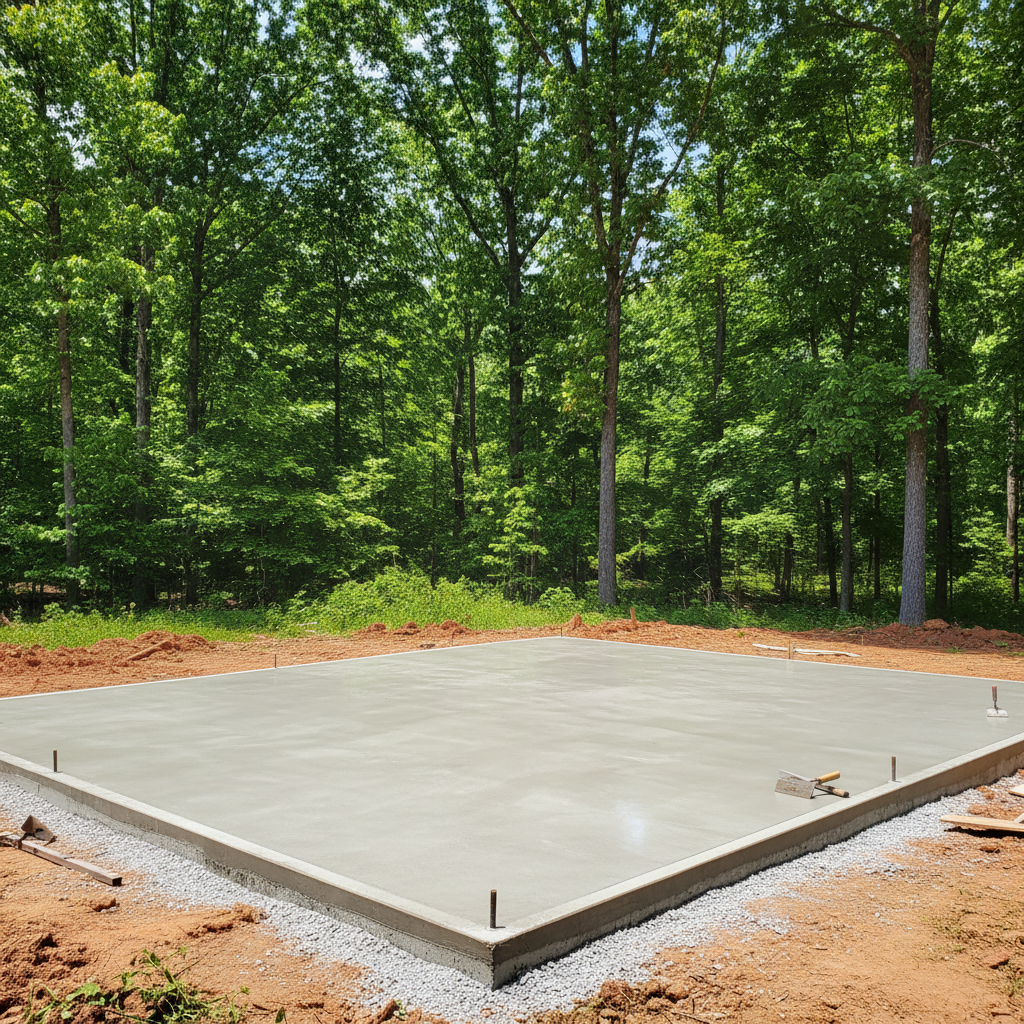
When's the best time to pour concrete around here? That's a question I get a lot, especially with our wild Dayton weather. You'd think it's just 'when it's warm,' but there's a bit more to it, particularly when you're talking about foundations or big concrete slabs that really matter.
Understanding Dayton's Seasons and Your Concrete
Our Tennessee climate is a mixed bag, isn't it? We get hot, humid summers, pretty mild springs and falls, and winters that can swing from freezing rain to sunny and 50 degrees in a single week. All of that plays a huge role in how concrete cures and how long it lasts.
You see, concrete isn't just 'wet stuff that dries.' It's a chemical reaction, and temperature and moisture are key. Pouring concrete when it's too hot can make it dry too fast, leading to cracks. Too cold, and it won't cure properly, which means it won't ever reach its full strength. That's a big problem for something like a foundation that's holding up your whole house.
When to Schedule Your Concrete Work
From my experience, the sweet spot for most concrete work around Dayton is usually spring or fall. Think April, May, late September, or October. Why then?
Moderate Temperatures: The daytime highs aren't usually scorching, and the nighttime lows aren't dipping into freezing. This gives the concrete plenty of time to cure slowly and strongly.
Consistent Moisture: We often get a good amount of rain in spring and fall, which helps keep the concrete hydrated during the curing process. Too much sun and wind can pull moisture out too quickly.
Less Stress on the Crew: Honestly, it's just better for the guys doing the work too. Trying to pour in 95-degree heat or near-freezing temperatures makes everything harder and riskier for quality.
That doesn't mean we can't pour in summer or winter. We absolutely can, but it requires more careful planning and sometimes special additives or curing methods. For instance, in summer, we might pour earlier in the morning or use retarders to slow down the set time. In winter, we'd use accelerators and make sure the concrete is protected from freezing, sometimes even covering it with insulated blankets. It just adds complexity and cost.
Protecting Your Concrete Investment Year-Round
Once your concrete's in, whether it's a new driveway or a foundation repair by Western Concrete Solutions, the work isn't over. You've got to protect that investment. Here's how:
Seal It: This is probably the most important thing you can do, especially for driveways, patios, and sidewalks. A good quality sealer protects against moisture penetration, freeze-thaw cycles, and stains. I recommend sealing every 2-5 years, depending on the traffic and exposure.
Watch for Drainage: Water is concrete's biggest enemy. Make sure your gutters are clean and directing water away from your foundation. If you've got a sloped yard, like many homes built on the hills around Watts Bar Lake, make sure water isn't pooling against your house or under your slab. Poor drainage can lead to soil erosion under the concrete, causing it to settle and crack.
Clean Spills Quickly: Oil, grease, and other chemicals can stain and even degrade concrete over time. Clean them up as soon as they happen.
Avoid De-icing Salts: Most de-icing salts, especially those containing ammonium nitrates or sulfates, can severely damage concrete. Use sand for traction or a concrete-safe de-icer if you absolutely need it. Shovel snow promptly instead.
Address Cracks Early: Small cracks can turn into big problems if left unchecked. Water gets in, freezes, expands, and makes the crack worse. If you see cracks, especially in your foundation, give us a call. We can often repair them before they become a major structural issue.
Taking care of your concrete isn't rocket science, but it does require a little attention. A well-maintained concrete foundation or slab can last for decades, saving you a lot of headaches and money down the road. If you've got questions about your specific situation, don't hesitate to reach out. That's what we're here for.